
Alberta Auto Insurance Changes – “DCPD”

Nov
3
Auto insurance in Alberta is changing on January 1, 2022. All policies in Alberta will have the new Direct Compensation for Property Damage (DCPD) coverage added, which will make it easier for you to make a claim for property damage if you’ve been in a collision that was not your fault. Direct compensation means that you will deal with your insurer directly instead of the other drivers to recover damages. It’s a fairer and more efficient approach to insurance claims and is already used in most other Canadian provinces.
Do I need to do anything?
Vehicle owners won’t have to do anything when DCPD begins in 2022. DCPD is simply a change in the way vehicle damage claims are treated in Alberta following a collision.
What is covered by DCPD?
Good news: DCPD does not change your automobile coverage, only who pays for the damage. It includes all private passenger, recreational and commercial vehicles, and covers vehicle damage, damage to contents in the vehicle, and loss of use.
What isn’t covered by DCPD?
You still need to purchase collision coverage if you would like at-fault damages to your vehicle to be covered. DCPD only applies for not at-fault accidents.
Who needs this coverage?
As of January 1, 2022, DCPD coverage is mandatory in Alberta and will automatically be reflected in all Peace Hills auto insurance policies.
Will this affect my insurance premium?
The Alberta government expects that DCPD will help stabilize insurance premiums for the long term by better aligning them with the costs associated with repairs for a vehicle. This means that, generally, owners of less expensive vehicles that cost less to repair will pay less for their insurance. Similarly, owners of more expensive vehicles that cost more to repair may pay more. It’s estimated that nearly 60% of drivers will either see a reduction or no change in their premiums under DCPD.
DCPD is a mandatory coverage with a $0 deductible by default. However, an insured can elect to have a DCPD deductible added to the policy in exchange for a reduction in their premium. In these instances, note that even if you are in a not-at-fault collision, you are responsible for paying that deductible.
DCPD coverage will be bundled into the price of all basic auto insurance policies in Alberta and will be displayed on your certificate of insurance. Your Broker can provide you with a breakdown of your rate if you would like further information.
How to make a claim
So, you’ve been in a car accident. Click here for a list of some things you should do immediately on site if possible. Here is a short video with further information about how to start a claim:
The good news for Alberta drivers? Regardless of who is at-fault, after a collision you now only have to deal with us, not the other driver’s insurance provider.
Where can I learn more?
To learn more about DCPD, visit www.ibc.ca/ab/auto/DCPD. Consumers who have further questions about DCPD and what it means for them should contact their broker or the Insurance Bureau of Canada’s Consumer Information Centre at 1-844-2ASK-IBC or email askibcwest@ibc.ca.
Recent Posts
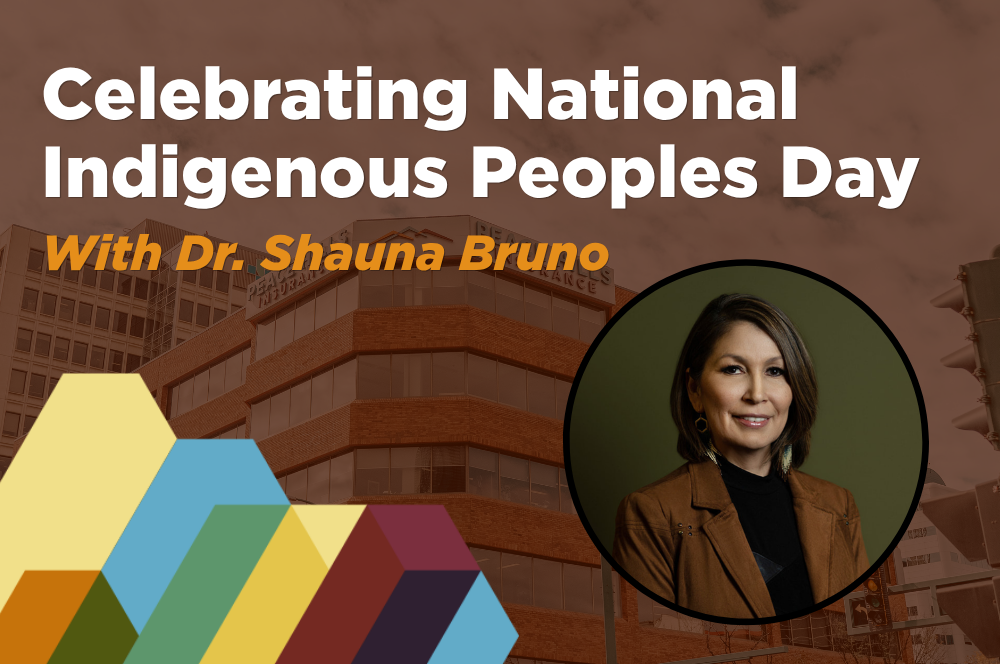
Celebrating National Indigenous Peoples Day with Dr. Shauna Bruno
June 21, 2026
At Peace Hills Insurance, National Indigenous Peoples Day holds a special meaning for us. As a company proudly owned by Samson Cree Nation, our story is rooted in Indigenous leadership, resilience, and community. Today, as we celebrate the heritage, cultures, and achievements of First Nations, Inuit, and Métis Peoples, we want to highlight one of the many Indigenous leaders who has helped shape Peace Hills Insurance and our community at large: Dr. Shauna Bruno.
Read More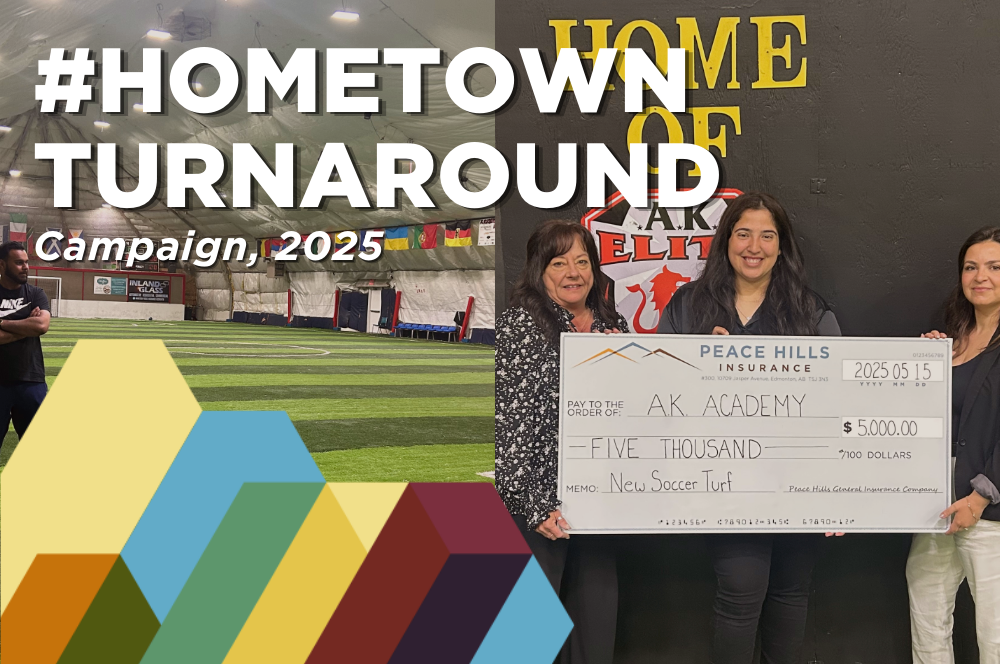
Supporting Community Growth with Our Hometown Turnaround Campaign
January 19, 2026
Since 2022, Peace Hills Insurance has had the privilege of supporting community initiatives that strengthen local connection, enhance shared spaces, and improve quality of life across Western Canada through our #HometownTurnaround campaign. This campaign provides financial support to projects that meet local needs in rural and regional communities.
Read More